
Marine Conservation · Policy Advocacy · Field Science
The Ocean Doesn't
Lobby for Itself.
We are the coalition of marine biologists, policy advocates, and coastal communities who do. One reef system, one fishing policy, one protected zone at a time.
73%
of coral reefs under active threat
90M+
tonnes of fish extracted annually
34
countries in our coalition
12
protected zones established
01 — The Crisis
50%
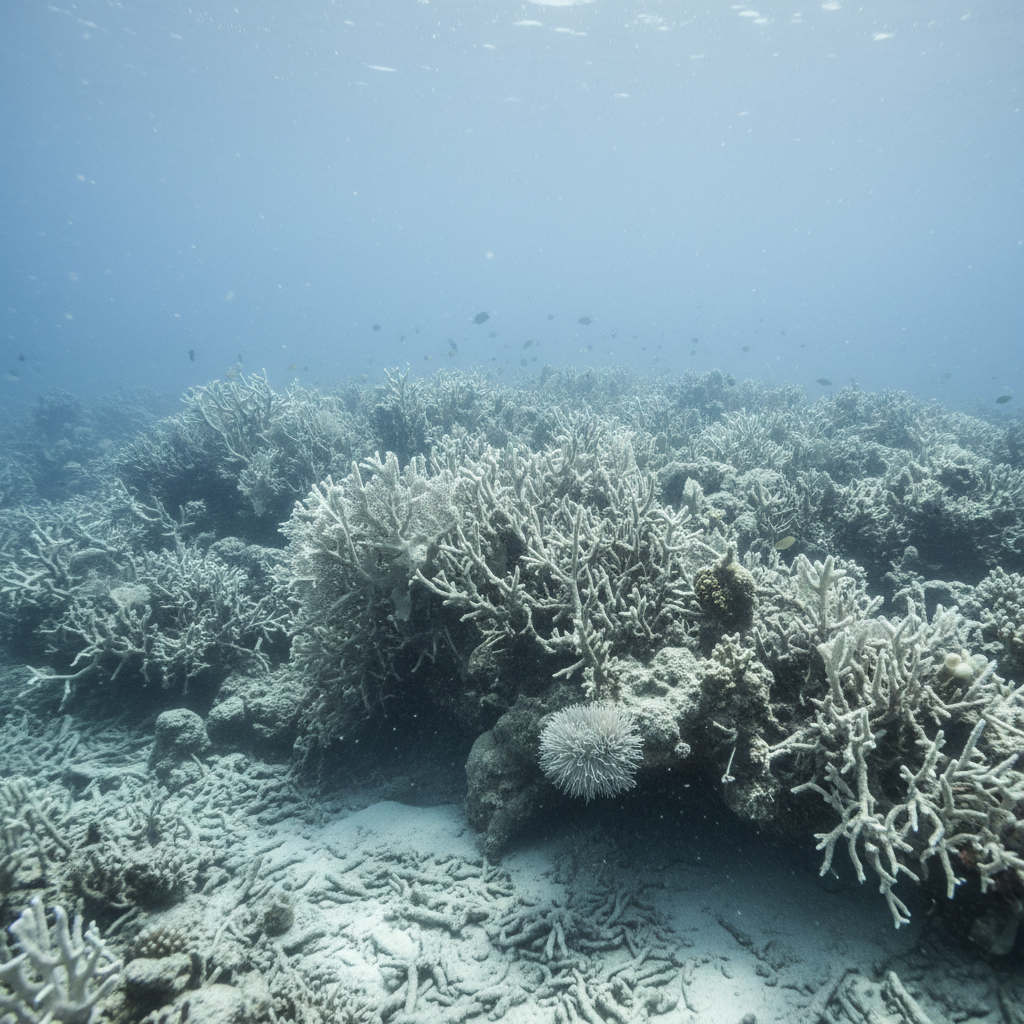
of the world's coral reefs have died since 1950
Half the reef is already gone.
Ocean warming, acidification, and industrial runoff have bleached and killed reef systems at a rate no natural recovery cycle can match. The Great Barrier Reef experienced its most severe bleaching event on record in 2024 — the sixth mass bleaching in nine years. These are not isolated incidents. They are a pattern.
02 — Our Response
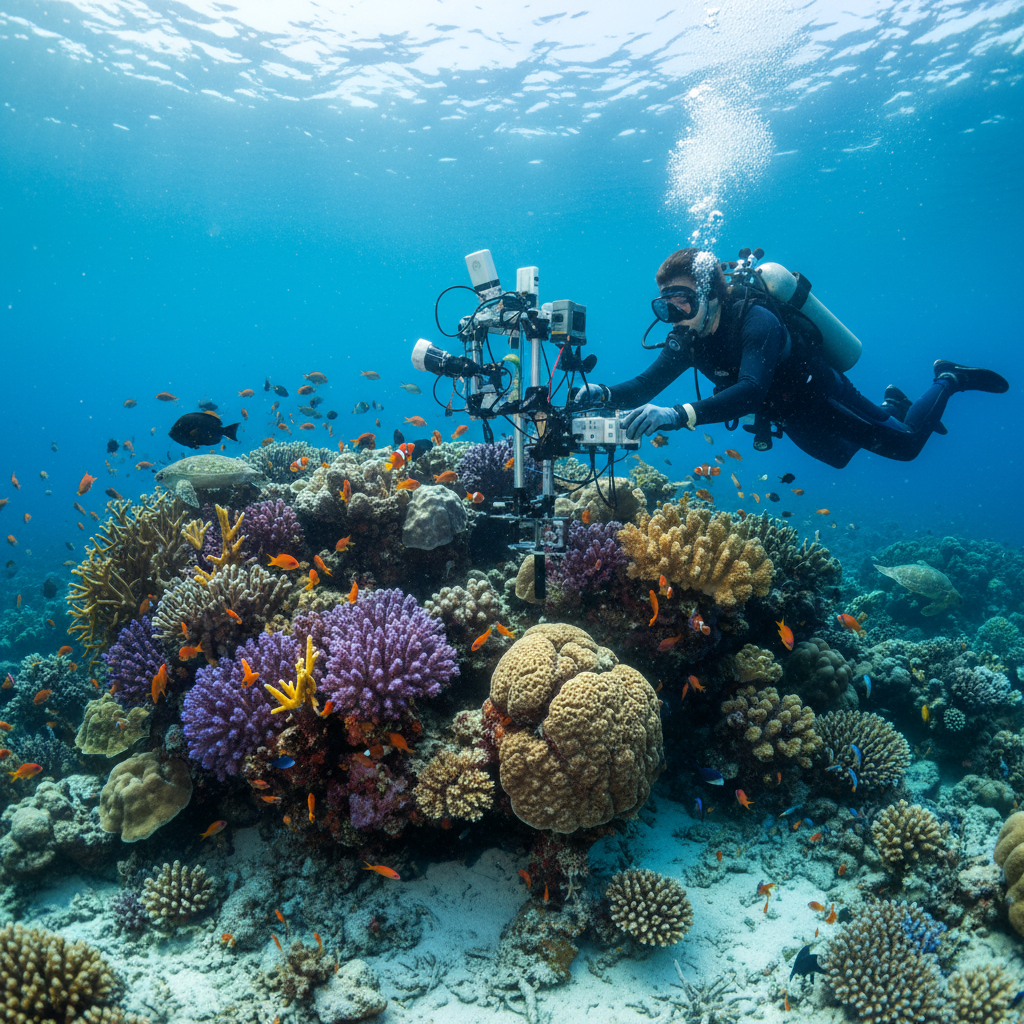
Reef Sentinel Network
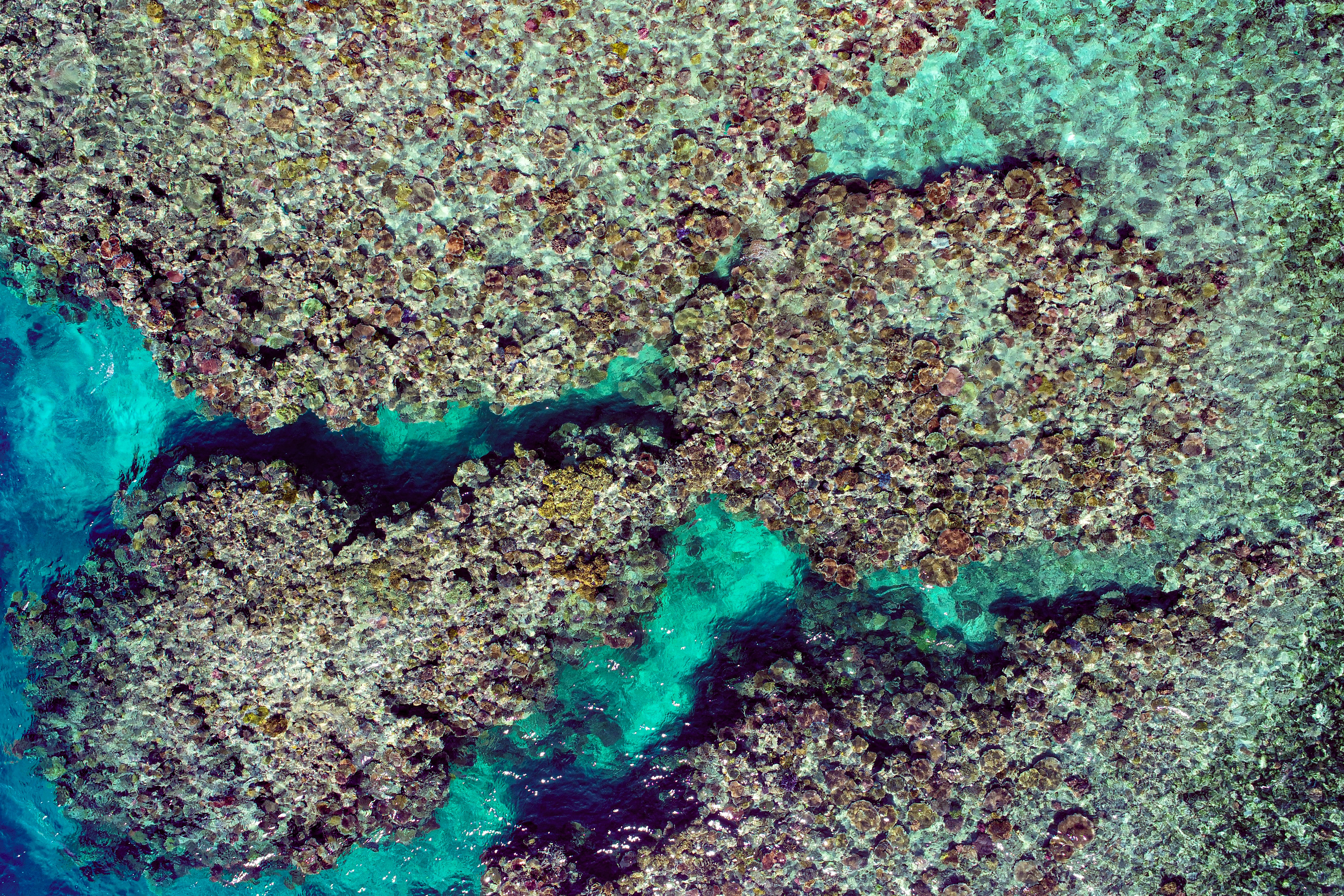
We deploy autonomous monitoring buoys and trained local dive teams across 47 reef sites in 14 countries. Real-time temperature, pH, and biodiversity data feeds directly into our open-access dashboard — giving scientists, journalists, and policymakers the evidence they need before the next bleaching event arrives.
03 — The Crisis
1 in 3
marine species face extinction within this century
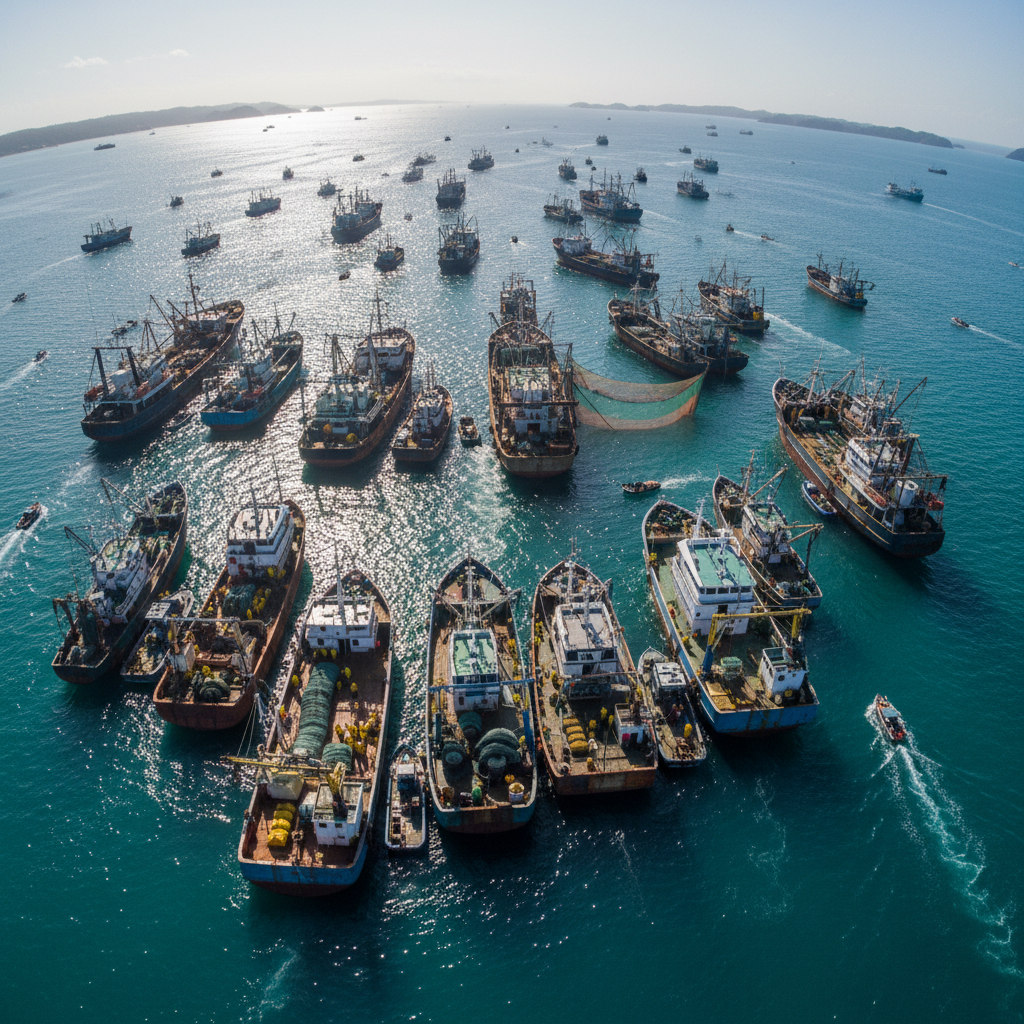
The food web is unraveling.
Overfishing removes apex predators and keystone species faster than populations can recover. When grouper disappear, algae overruns coral. When tuna collapse, entire pelagic ecosystems restructure. These cascades are not theoretical — they are documented, measurable, and accelerating.
04 — Our Response
Coastal Policy Lab
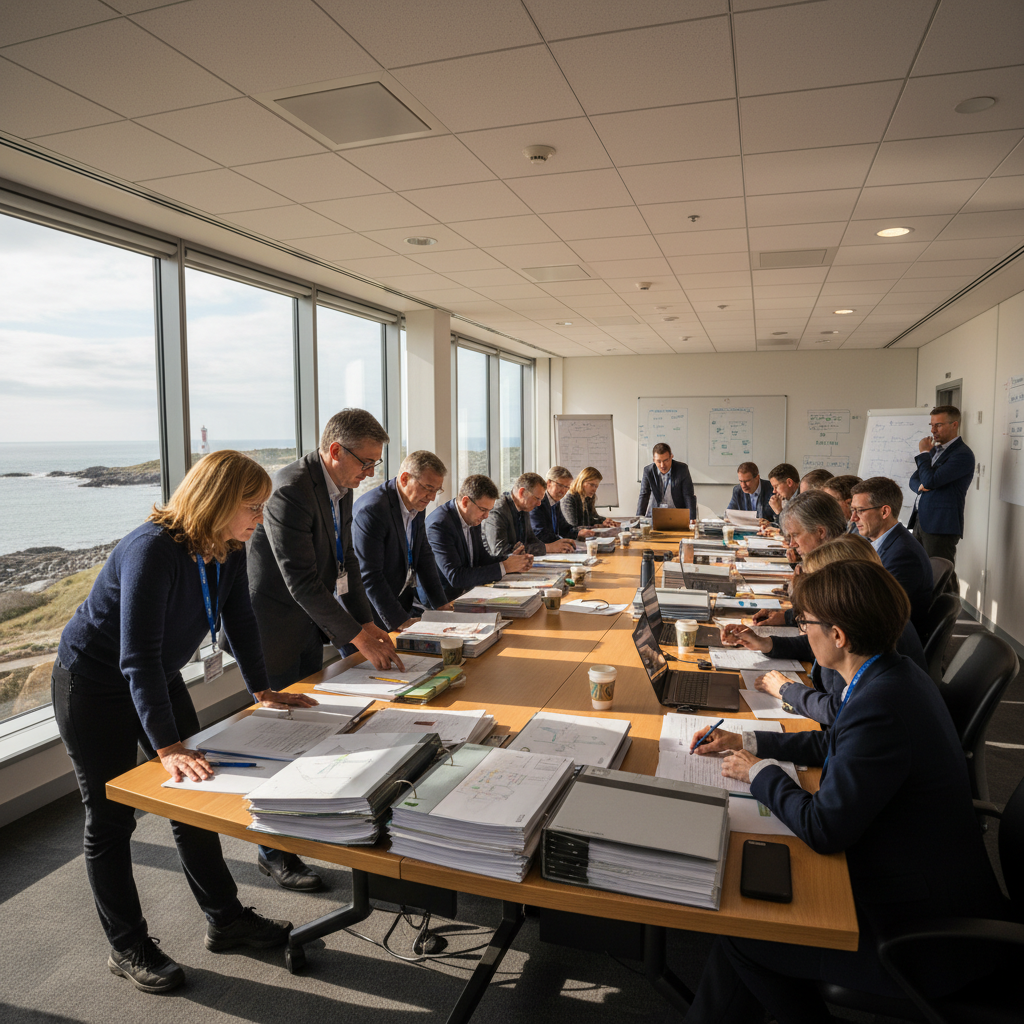
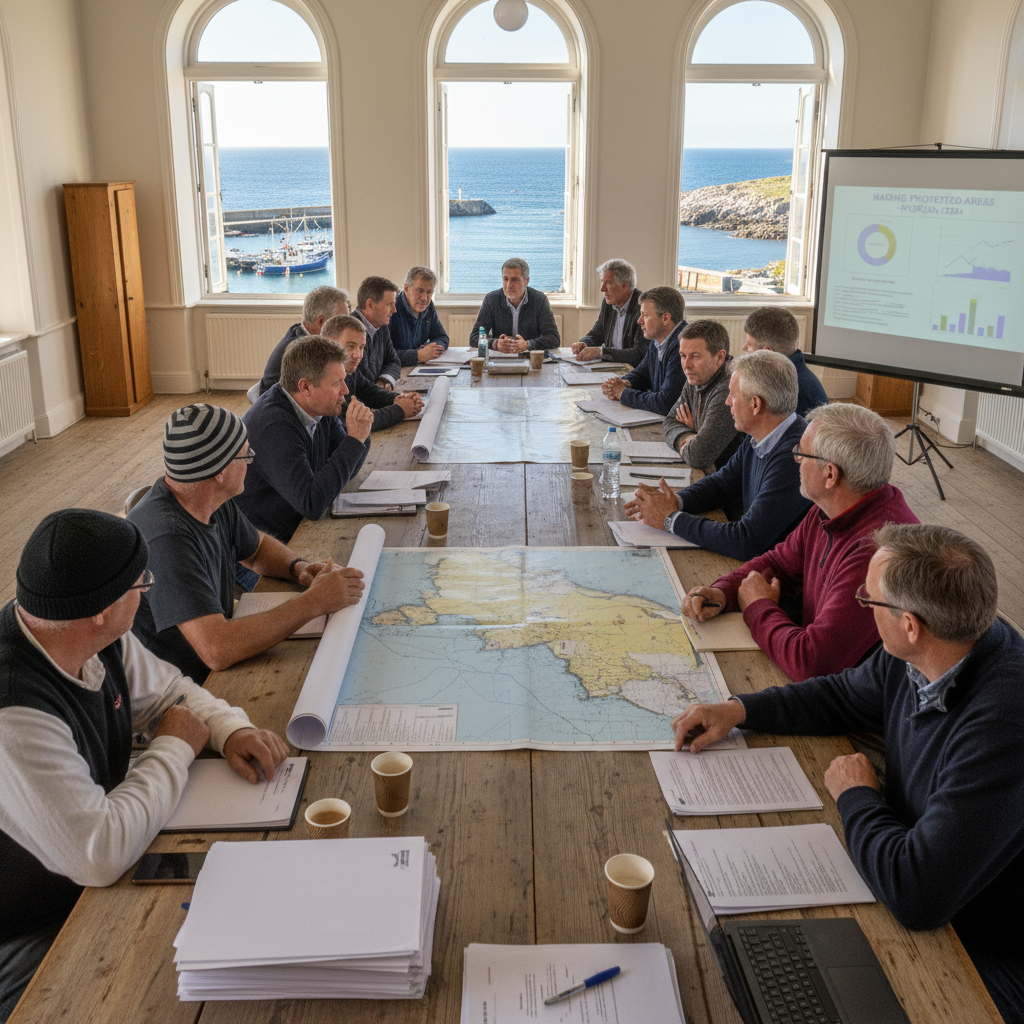
Our team of legal scholars and fisheries scientists drafts model legislation for sustainable catch limits, gear restrictions, and community fishing rights — then works directly with coastal governments to adopt it. We have supported fisheries legislation in seven countries in the last three years, with three bills currently in parliamentary review.
Four programs.
One ocean.
Science without policy is a report. Policy without community is a law without teeth. We build all three simultaneously.
47 sites · 14 countries · real-time
Reef Sentinel Network
Autonomous buoys and trained local dive teams provide continuous monitoring of temperature, pH, and species counts. Data flows to an open dashboard updated every six hours.
7 countries · 3 bills in review
Coastal Policy Lab
Model legislation for sustainable fisheries, gear restrictions, and indigenous community fishing rights. We draft, we advocate, we track outcomes.
2.4M specimen records · open access
Deep Archive Project
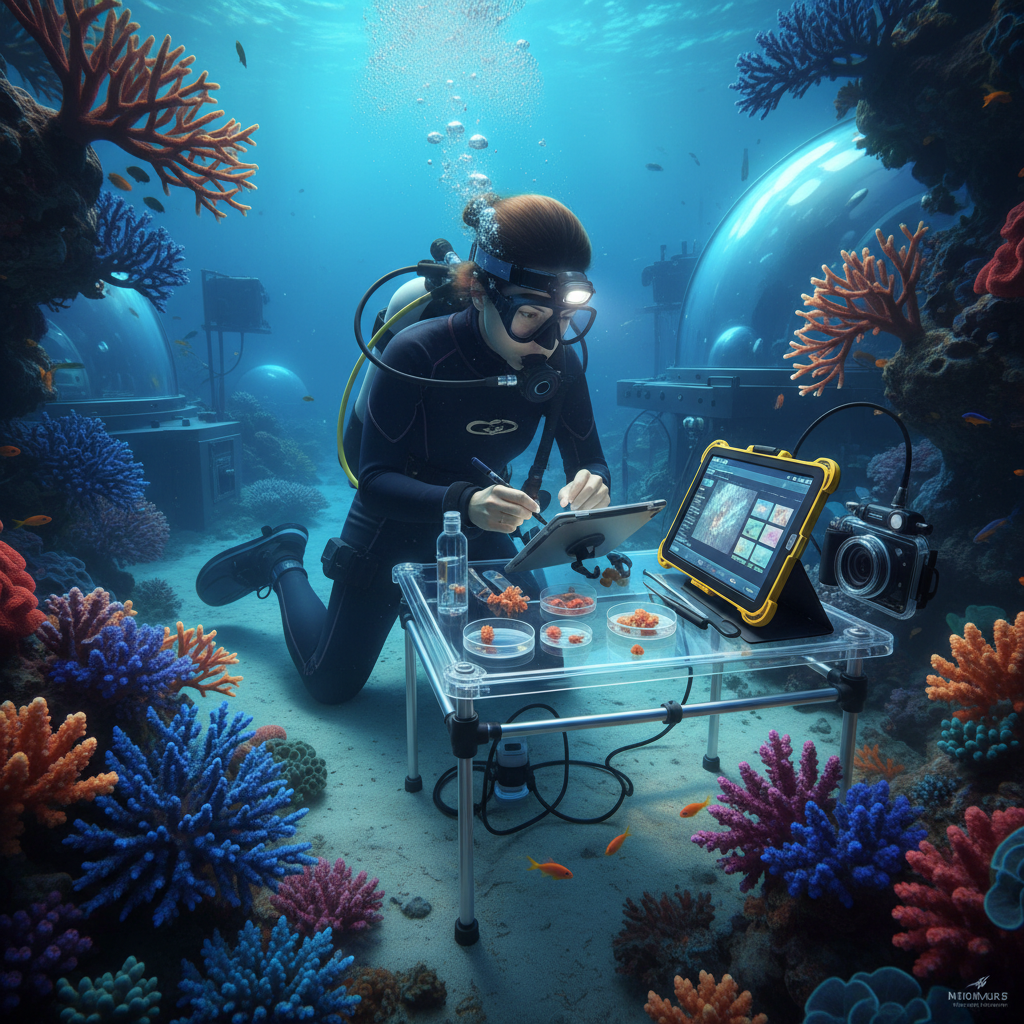
The largest open-access database of Indo-Pacific marine biodiversity. Used by 340 research institutions. Every specimen photographed, georeferenced, and published under CC-BY.
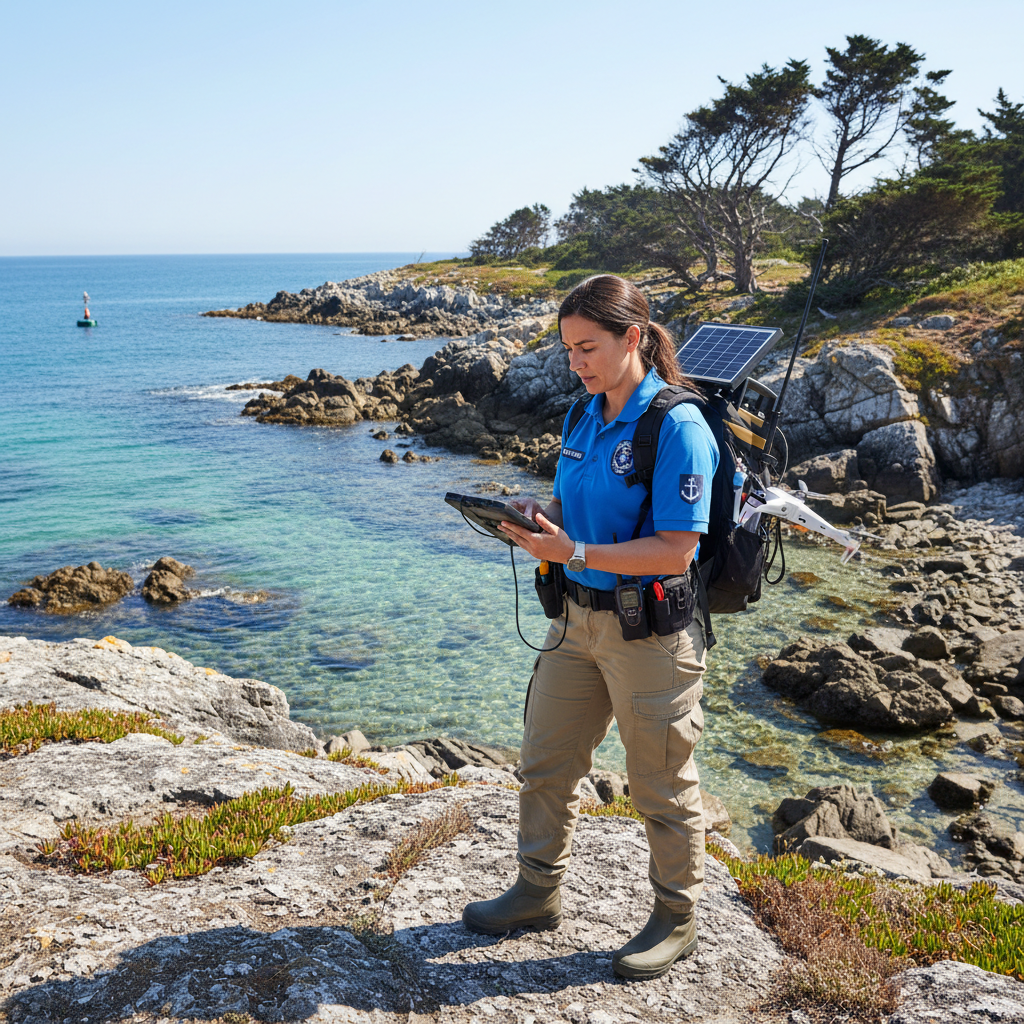
1,200 wardens · 22 nations
Community Warden Program
Local fishers and coastal residents trained as certified marine wardens — with legal authority to report violations, collect data, and coordinate emergency response.
We give the data
before we ask for anything.
Two open-access dashboards and a three-minute expedition reel. No form. No gate. Just the truth about what we found.
Expedition Reel — Coral Triangle Survey, 2025 · 3 min
OPEN ACCESSFilmed by Tidewatch Field Team · Banda Sea, Indonesia · March 2025
Live Field Dashboard — Updated 6 hrs ago
47
Active monitoring sites
+6 since 2024
1,847
Coral species catalogued
+213 this year
23.4°C
Avg. reef temp, Q1 2026
+0.8°C vs 2020
8.09
Ocean pH, Coral Triangle
–0.04 since 2019
62%
Warden-reported violations acted on
Up from 38% (2023)
340
Research institutions, data users
+47 new this cycle
Everything we know.
Yours to use.
Field reports, model legislation, expedition films, and live data. Tell us who you are and we'll send you the full library plus future releases.
Coral Triangle Biodiversity Survey 2025
Complete species counts, temperature logs, and bleaching extent mapping across 23 survey sites.
Model Fisheries Legislation — Indo-Pacific Edition
Adaptable legislative framework with annotations for seven jurisdictions. Used in three enacted bills.
Below the Thermocline — Deep Archive Expedition
Full 22-minute documentary from our 2024 deep-water survey in the Banda Sea.
Global Marine Protected Zones — Live Atlas
Filterable map of all 312 MPAs in our monitoring network with status, threat level, and contact.
Indo-Pacific Coral Health Index — Q1 2026
2.4 million specimen records with georeferencing, health scores, and time-series comparisons.
Tidewatch 2025 Impact Report
Full financial transparency, program outcomes, coalition growth, and forward commitments.
Get Full Access
Download Our Field Reports
We segment our communications by role so you only receive what's relevant to your work.
We never sell data. You can unsubscribe from any mailing at any time.